For many boat owners, the steering system is one of those components that receives little attention until something goes wrong. Unfortunately, by the time steering problems become noticeable, they can already be affecting the safety, performance, and reliability of the vessel. Fortunately, many common steering issues can be prevented through routine inspection and maintenance, much of which can be performed by the owner.
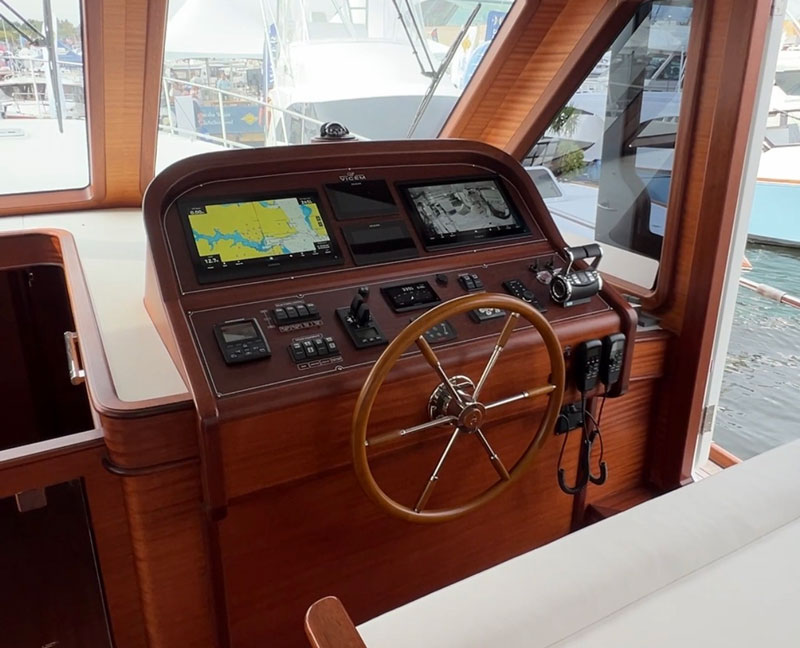
A responsive steering system is essential for safe and enjoyable boating. Whether your vessel utilizes a traditional mechanical cable system or a modern hydraulic setup, neglecting maintenance can lead to stiff steering, excessive play, fluid leaks, or even complete steering failure. Understanding how your steering system works and recognizing early warning signs can help avoid costly repairs, unexpected breakdowns, and potentially dangerous situations on the water.
Understanding Your Steering System
Most recreational boats use one of two primary steering systems: mechanical or hydraulic.
Mechanical Steering Systems:
Commonly found on smaller vessels, mechanical steering systems rely on cables, linkages, and gears to transfer movement from the helm to the outboard motor or rudder assembly. These systems are relatively simple, cost-effective, and easy to maintain, but they are susceptible to corrosion, wear, and binding over time.
Hydraulic Steering Systems:
Hydraulic steering systems use pressurized fluid to transfer steering input from the helm pump to a hydraulic cylinder connected to the rudder or outboard. These systems provide smoother operation and reduced steering effort, making them popular on larger powerboats and sailboats. However, they require periodic fluid checks, air removal, and regular inspection of hoses, seals, and fittings.
Regardless of which system your vessel uses, understanding its components and maintenance requirements is critical to ensuring reliable operation.
Common Mechanical Steering Problems
Stiff or Hard-To-Turn Steering
One of the most common complaints among boat owners is steering that becomes increasingly difficult to turn. This condition may result from:
- Corrosion inside the steering cable housing.
- Lack of lubrication.
- Kinked or damaged steering cables.
- Worn rudder bearings or bushings.
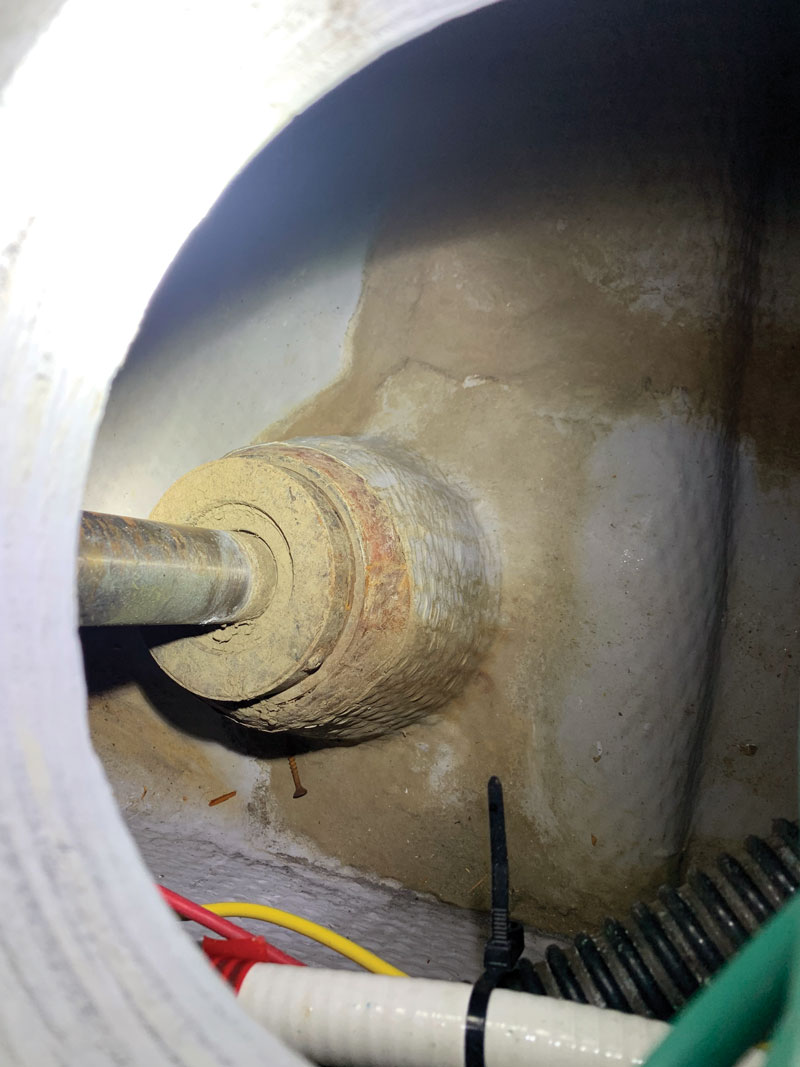
- Leaking rudder packing glands contributing to corrosion and deterioration.
Recommended Solutions:
Inspect the system by disconnecting the steering cable and checking for smooth movement throughout the linkage and rudder assembly. Clean and lubricate moving parts using marine-grade grease and replace any cable showing signs of stiffness, corrosion, or damage. If bearings or bushings are worn, replacement is strongly recommended. Packing glands located below the waterline should also be serviced and repacked as necessary.
Loose or Sloppy Steering
Excessive play in the wheel can make steering less precise and reduce vessel control. Common causes include:
- Worn helm components.
- Stretched or misaligned steering cables.
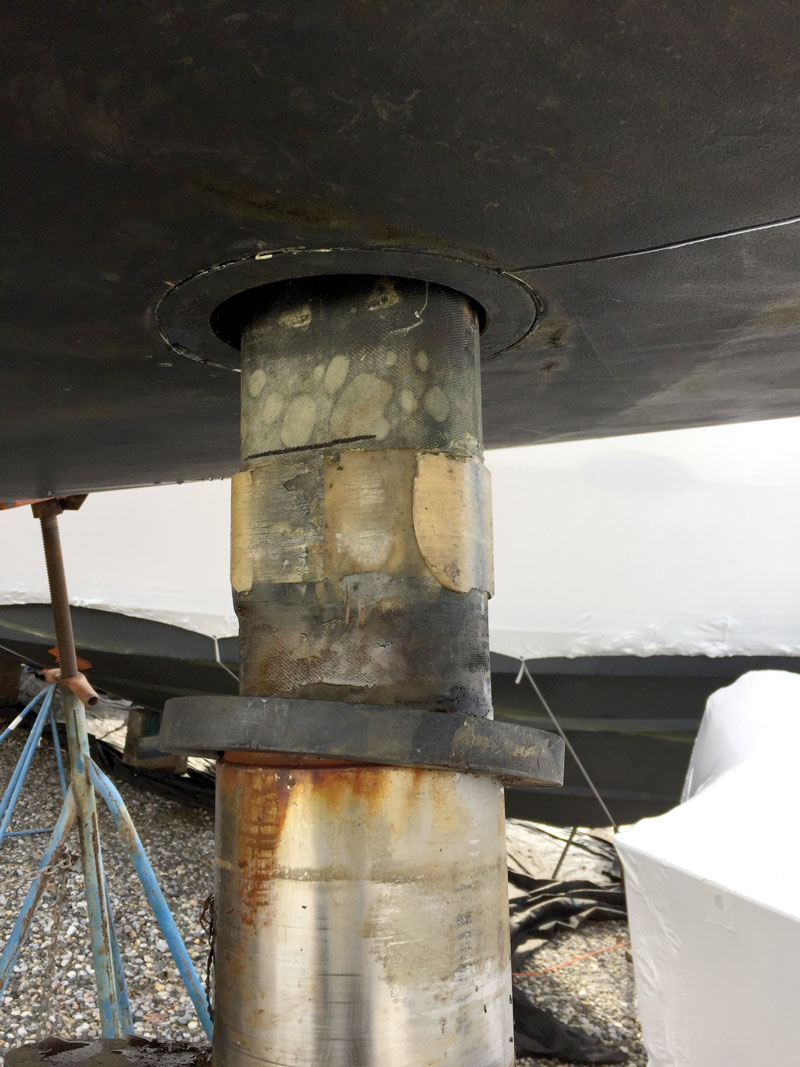
- Worn rudder bearings and bushings.
Recommended Solutions:
Inspect helm gears, replace worn components, and adjust or replace stretched cables. Rudder bearings and bushings should be replaced when excessive movement is detected. For maximum reliability, steering cables should generally be replaced every 10 years.
Common Hydraulic Steering Problems
Spongy or Unresponsive Steering
Hydraulic systems offer excellent performance when properly maintained, but several issues can compromise their effectiveness.
Common causes include:
- Air trapped within hydraulic lines.
- Low hydraulic fluid levels.
- Contaminated or incorrect hydraulic fluid.
- Damaged hoses or fittings.
- Leaking hydraulic cylinders or helm pumps.
Recommended Solutions:
Bleed the system to remove trapped air and restore responsiveness. Always refill using manufacturer-approved hydraulic fluid. Inspect hoses, fittings, cylinders, and helm pumps for leakage or physical damage. Major component rebuilding is best left to qualified professionals. For long-term reliability, hydraulic hoses should generally be replaced every 10 years, even if visible damage is not present.
A Simple Steering Maintenance Checklist
Routine inspections can prevent most steering failures before they occur.
Mechanical Systems:
- Lubricate steering cables and linkages.
- Check for rust, corrosion, or cable damage.
- Verify proper cable tension.
- Test steering movement before every trip.
Hydraulic Systems:
- Check fluid levels monthly.
- Inspect hoses and fittings for leaks.
- Replace worn seals and components.
- Bleed the system annually for peak performance.
Don’t Forget the Rudder
One of the most overlooked components in any steering system is the rudder itself.
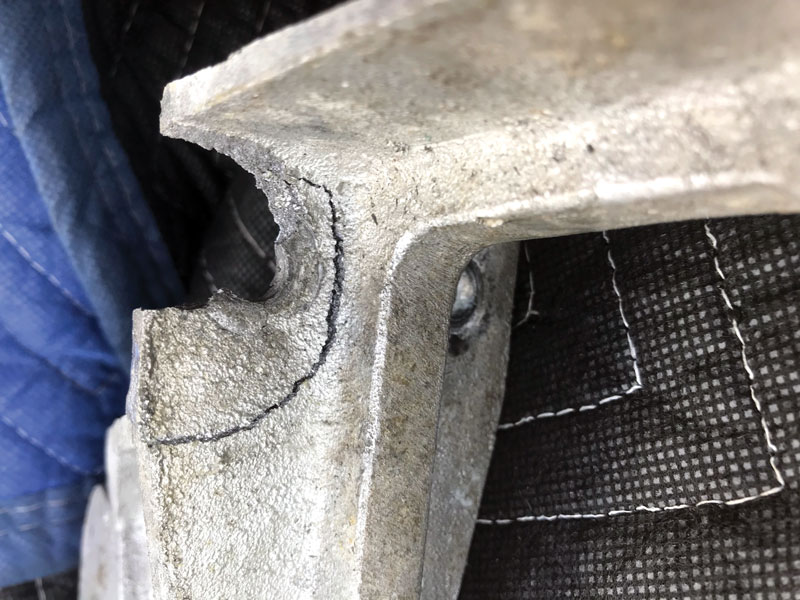
Powerboats often employ bronze or stainless-steel rudders that require equal attention. Look for corrosion, damage from grounding or floating debris, worn bearings, and deteriorated protective coatings. Proper anode maintenance and compatible anti-fouling coatings can significantly extend rudder life and help prevent galvanic corrosion.
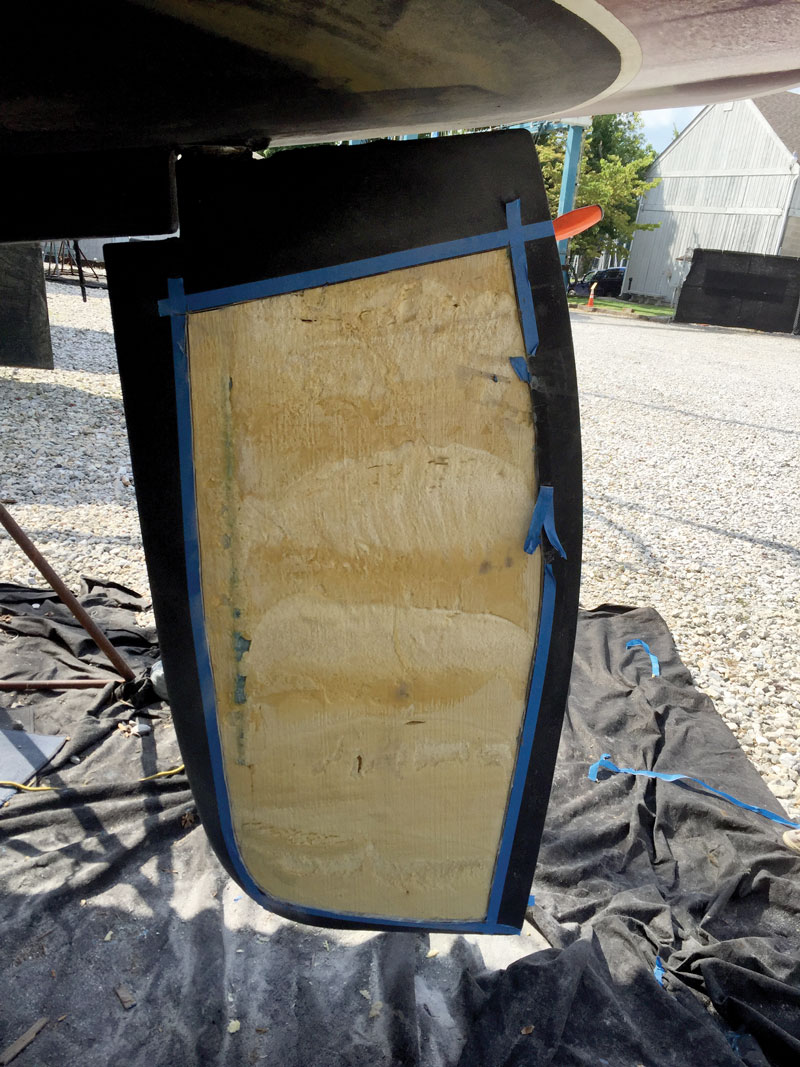
Many sailboats utilize foam-cored composite rudders with metal or carbon-fiber rudder stocks. These structures should be carefully inspected during annual haul-outs for signs of cracking, water intrusion, impact damage, or delamination. Early detection can prevent expensive repairs and potential steering loss.
Knowing When To Call a Professional
While many steering maintenance tasks can be performed by boat owners, some situations require professional attention. Persistent stiffness, fluid leaks, steering inconsistency, excessive play, or signs of component failure should never be ignored. Steering is simply too important a system to gamble with when safety is at stake. Consulting a qualified marine technician can help determine whether repair, overhaul, or replacement is the best course of action.
Safe Steering Means Safe Boating
A reliable steering system is one of the most critical safety features aboard any vessel. By incorporating routine inspections into your maintenance schedule, you can identify problems early, reduce repair costs, and enjoy greater confidence every time you leave the dock. As the boating season winds down and haul-out season approaches, now is the perfect time to conduct a thorough steering system inspection and address any issues before next spring arrives.
A little preventive maintenance today can help ensure many safe and enjoyable days on the water tomorrow.
About the Author: Erik Lostrom is a naval architect, third generation professional boat builder and a graduate of The Landing School. He has worked in the marine industry for more than 40 years and currently serves as the marine technology coordinator at Chesapeake College.