Avoiding a collision at sea is a goal of every captain, and it is a frequent topic at the Chesapeake Bay Area Professional Captains Association (CAPCA). Much has been written on the subject of the Rules of the Road (formally known as the International Regulations for Preventing Collisions at Sea, 1972, or 72 COLREGS), which are published by the U.S. Coast Guard and contain 38 rules for vessels in inland and international waters. I will focus on the inland rules since they apply to the Chesapeake Bay.
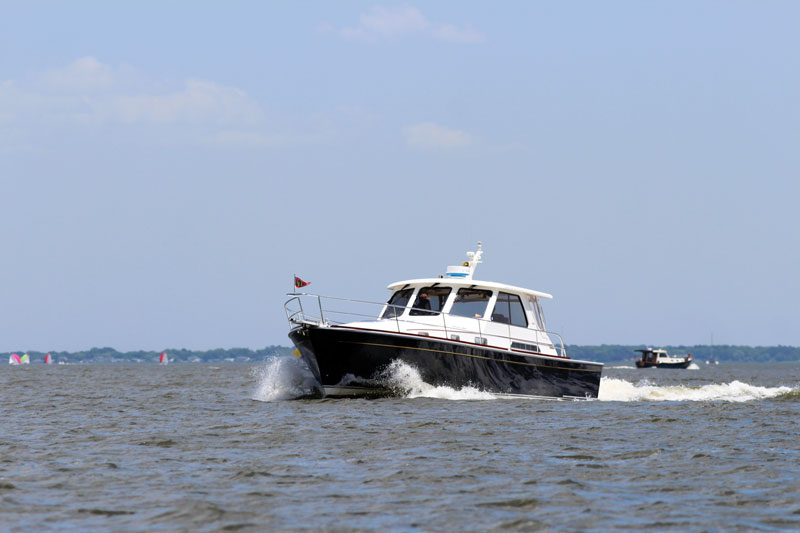
If we were to boil down the rules to one very basic premise, it is that more maneuverable vessels (give-way) should stay out of the way of less maneuverable vessels (stand-on). While we often encounter risk of collision involving multiple vessels, the rules are based on situations involving just two vessels.
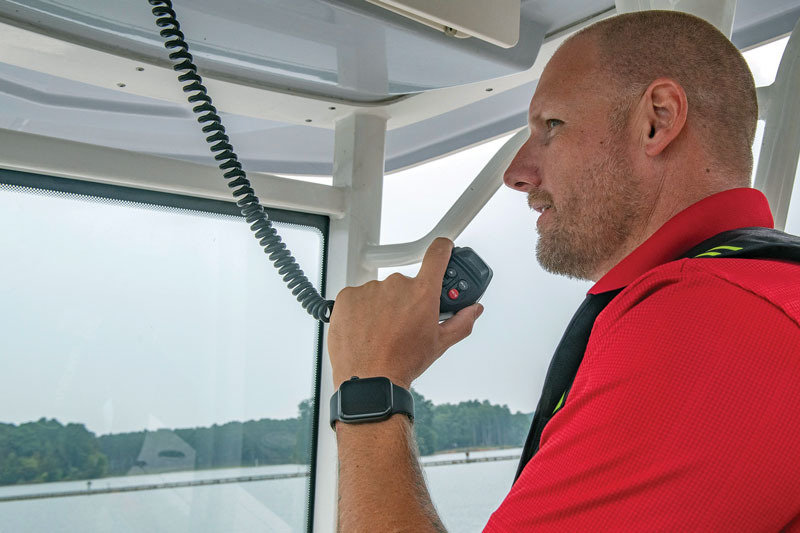
The three most common situations with two vessels are (1) overtaking, (2) meeting head-on, or (3) crossing each other. In these cases, it is prudent for the vessels, especially the give-way vessel, to communicate their intentions before coming close to the other vessel. This can be accomplished utilizing the VHF radio and/or whistle signals (see Rule 35).
Overtaking: In the case of an overtaking situation, Rule 13 requires the vessel overtaking (give-way) another vessel to keep out of the way of the vessel being overtaken (stand-on). While the overtaking vessel may overtake the other vessel on either side, it is always prudent to give the slower vessel a wide berth. In other words, stay far enough away so that in the event the other boat makes a sudden maneuver, the risk of collision would still be avoided. A common problem I see on the water is that the overtaking vessel passes far too close to the vessel being overtaken. Indeed, many collisions have resulted from this bad practice.
Meeting Head-On: When two vessels are meeting head-on, Rule 14 requires both vessels to turn right and thus pass each other to their respective port sides. It is not uncommon for vessels to turn to port and pass each other to their starboard sides if agreed to in advance. While heading up the Bay a few years ago, I had a head-on situation with a small cruise ship. I contacted the other vessel, and we agreed on a port-to-port (one whistle) passage. However, he mistakenly turned to port, whereupon I immediately contacted him and recommended a starboard-to-starboard (two whistles) passage. He apologized and agreed. My point is that even if you have agreed on a maneuver with another vessel, keep a sharp eye out for any unintentional deviations.
In the case of both Rules 13 and 14, when a vessel is in doubt as to whether these situations exist, she shall assume that the situation does exist and act accordingly.
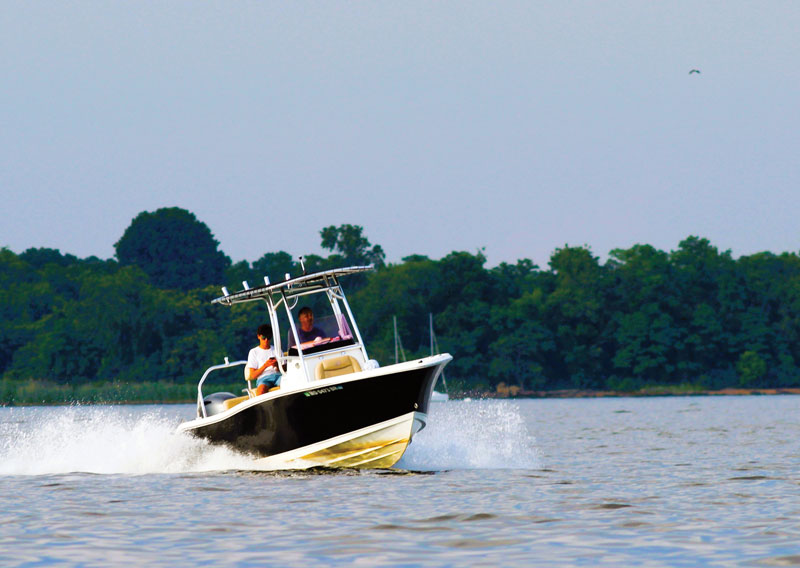
Crossing: Rule 15 dictates that when two power-driven vessels are crossing in a manner that involves risk of collision, the vessel that has the other on its starboard (right) side must keep out of the way of the stand-on vessel. The give-way vessel should avoid crossing ahead of the other vessel.
When making these maneuvers, vessels should ensure their intentions are clearly understood by the other vessels, by action and/or communication. Vessels turning should not make gradual turns, but a large enough turn so the other vessel has no doubt what you are doing. I learned this as a kid under the watchful eye of my father when I made a slight turn to avoid collision. He took the wheel and put it hard over emphasizing the importance that the maneuver be clearly understood by the other vessel. Communication can also be accomplished by contacting the other vessel using the VHF radio and/or whistle signals (see Rules 34 and 35).
Stay safe out there and enjoy the boating season! Learn more about CAPCA at capca.net.
About the Author: Capt. Adam Yearwood holds a USCG 1600-ton Master’s and 2nd Mate Unlimited Tonnage license. He is a member of the Chesapeake Bay Professional Captains Association and provides private yacht instruction and charter services. He is an instructor for the USCG Auxiliary Maryland Safe Boating Course, American Boating/Sailing Association.