For many Chesapeake boaters, the idea of the Great Loop starts the same way. With a simple question: Could we actually do that?
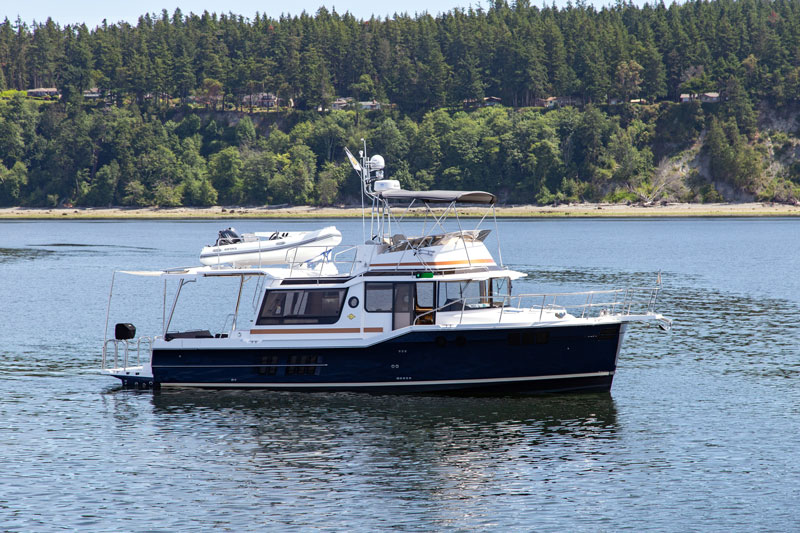
It usually comes up at the dock or over a drink after a day on the water. Someone mentions a friend who completed “the Loop,” and suddenly the idea sticks. It sounds massive. Maybe even out of reach.
But the reality is, the Great Loop is far more attainable than most people think. And for many, the journey begins right here on the Chesapeake Bay.
What Is the Great Loop?
The Great Loop is a continuous cruising route of roughly 6000 miles that connects some of the most iconic waterways in North America. It links the Chesapeake Bay with the Atlantic Ocean, the Hudson River, the Erie Canal, the Great Lakes, inland rivers, the Gulf of Mexico, and finally the Intracoastal Waterway. Back to your starting point is what loopers call “crossing your wake.”
But here’s the important part: it’s not a race.
Most Loopers travel around 40 to 50 miles on a cruising day, taking their time to explore towns, anchorages, and destinations along the way. Some complete the Loop in a single year, while others break it into multiple seasons pausing to travel home, visit family, or simply recharge.
Every Looper creates their own version of the journey. Some take side trips. Others linger in favorite destinations. The goal isn’t to follow a rigid itinerary, it’s to shape the experience in a way that feels right for you.
The One Number Every Looper Should Know
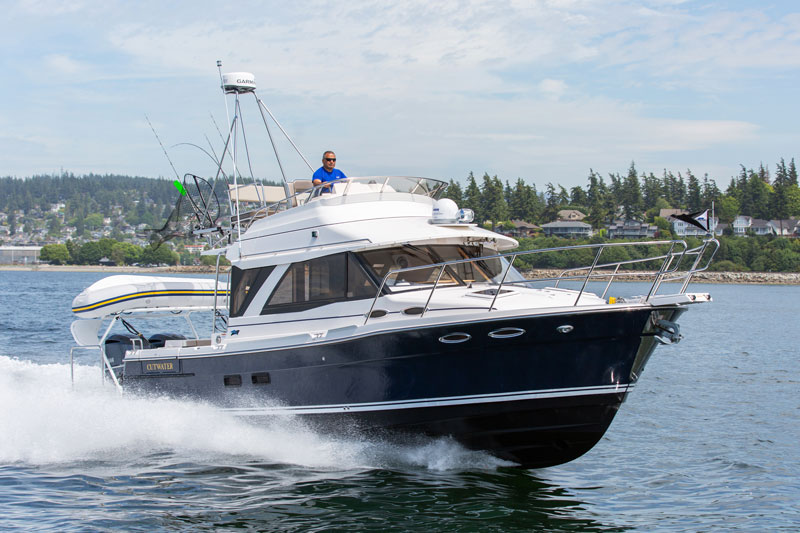
If you’re seriously considering the Great Loop, there’s one number you need to understand early: 19 feet, 6 inches.
That’s the height of the lowest fixed bridge on the route, located near Chicago. There’s no way around it. If your boat can’t clear that bridge, you can’t complete the Loop.
In some areas, like parts of the Erie Canal, clearance can be even tighter depending on water levels. That’s why bridge clearance becomes one of the most important considerations when choosing a boat.
While it’s not the most exciting detail, it is one of the most critical.
Do You Need a Big Boat?
This is one of the most common questions and one of the biggest misconceptions.
You don’t need a large yacht to complete the Great Loop. In fact, many successful Loopers travel on boats under 40 feet. That’s because the Loop isn’t just open water. It includes narrow canals, locks, tight docking situations, and constantly changing conditions.
What matters most isn’t size. It’s how easy your boat is to operate day after day.
Ask yourself, can you dock comfortably with two people? Can you handle lines in a lock? Can you adapt your plans without stress? Those are the questions that really shape your experience.
And if you’re wondering where to start building that confidence, the Chesapeake Bay is one of the best training grounds you could ask for.
Why Pocket Cruisers Stand Out
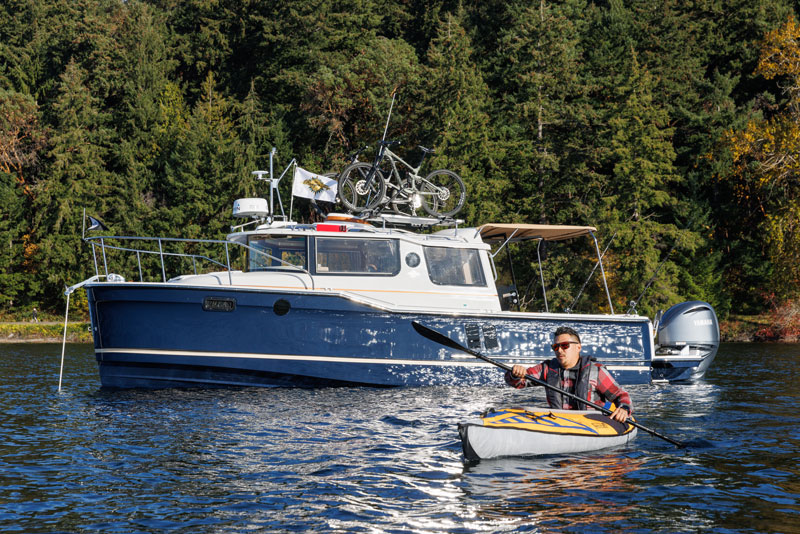
This is where pocket cruisers truly shine. Boats in this category are designed to be handled by one or two people, without requiring a full crew. Systems are straightforward. Visibility is strong. Maneuverability is predictable.
Over the course of a long journey, that simplicity matters more than most people expect.
When your boat feels manageable, your mindset changes. You stop worrying about operating the boat and start enjoying where it can take you. That’s what the Great Loop is really about.
Efficiency Changes the Experience
On a 6000-mile journey, fuel efficiency isn’t just a nice feature; it directly impacts how you travel. Efficient cruising speeds allow you to go farther on less fuel, but more importantly, they give you flexibility.
You can stay an extra day in a quiet anchorage. You can take a detour into a town you hadn’t planned on visiting. You can wait out weather without feeling pressured to move. Those are the moments that define the Loop.
Comfort Without Complexity
Living aboard for an extended period requires comfort. The most successful Loopers tend to choose boats that feel easy to live in day-to-day: A comfortable place to sleep, a functional galley you’ll actually use, a private head, a layout that feels intuitive over time.
It’s not about having everything. It’s about having the right things.
Choosing the Right Boat for the Journey
Spend time talking with Loopers, and you’ll start to notice a pattern. Boaters consistently gravitate toward boats that are manageable, efficient, and designed for real cruising.
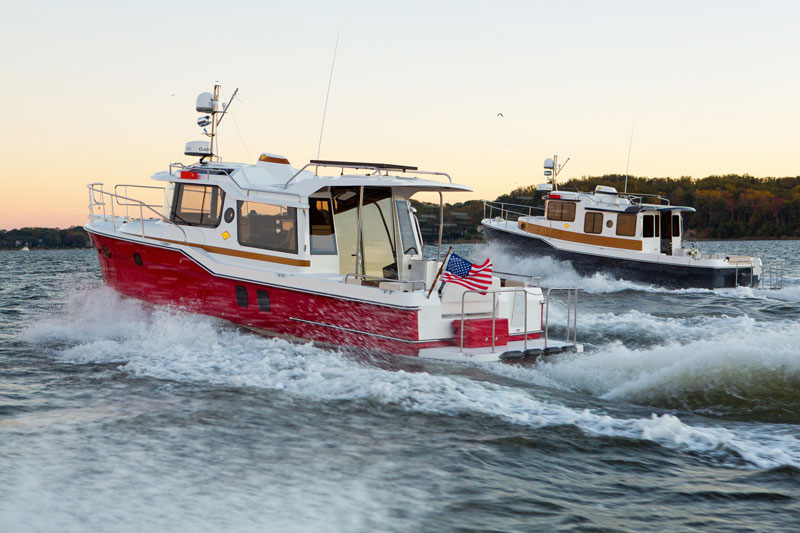
That’s one of the reasons models like Ranger Tugs and Cutwater boats are often part of the conversation. Their lower profiles help meet bridge clearance requirements, while their handling and efficiency make them well-suited for long-distance travel.
More importantly, they make the idea of the Great Loop feel achievable.
At Pocket Yacht Company, that’s the goal. Not to push you into a decision, but to help you understand what’s possible and guide you through the questions that come with it.
Start Thinking About Your Loop
The Great Loop isn’t just a route, it’s likely the most significant boating experience you’ll ever take. You’ll see places you never expected, build confidence you didn’t know you had, and form connections with people who share the same mindset.
At Pocket Yacht Company, we like to say: Live Life at Sea Level. And for many boaters, the Great Loop is where that idea really comes to life.
By Christina Hayes, Pocket Yacht Company
Thanks to our advertisers, this paid content makes PropTalk possible.