We all have hardware and hull fittings on vessels, but often these are not properly installed or bedded properly. For those not familiar with the term, ‘bedded’ or ‘bedding’ refers to the process of applying a sealant or adhesive compound between two parts—such as hardware and the deck—before fastening them together. The primary purpose of bedding is to create a watertight, flexible seal that prevents water from entering the boat’s structure.
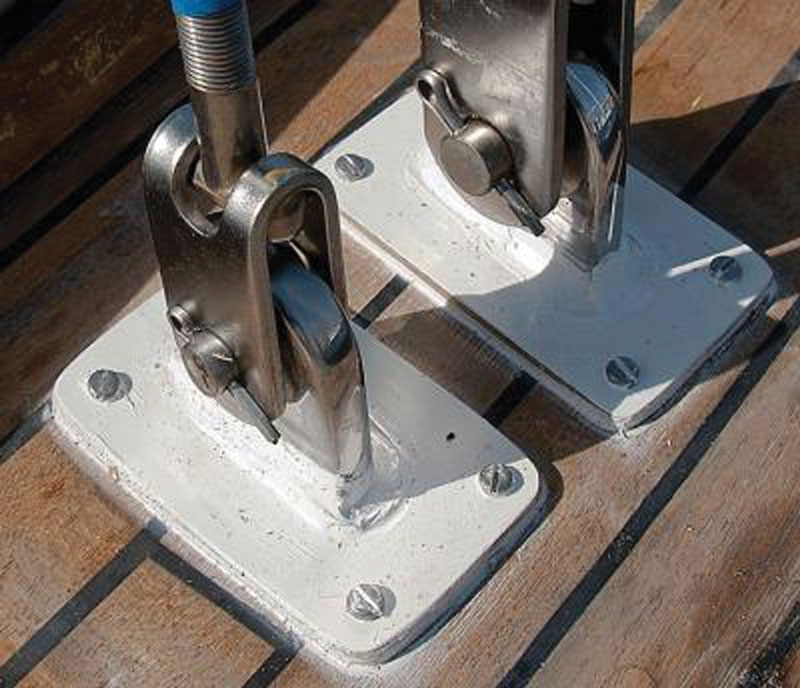
There are some things you need to consider:
- The location of the fitting to be installed determines the correct type of bedding sealant and appropriate fasteners.
- Mounting: thru fasteners or surface mounted with screws.
- Surface preparation and clean up.
- The core material must be addressed to prevent mounting failure.
- There are special considerations for highly loaded hardware.
Unfortunately, there is normal maintenance that needs to be done when it comes to bedded hardware and fittings; they will need rebedding depending on age and flexural stresses. This may be at least every 10 years to once a season depending on how stressed they are in normal operations.
Let’s look at the different sealants available in the marine industry. We need to understand the best product for the application; unfortunately, there is not one for all applications.
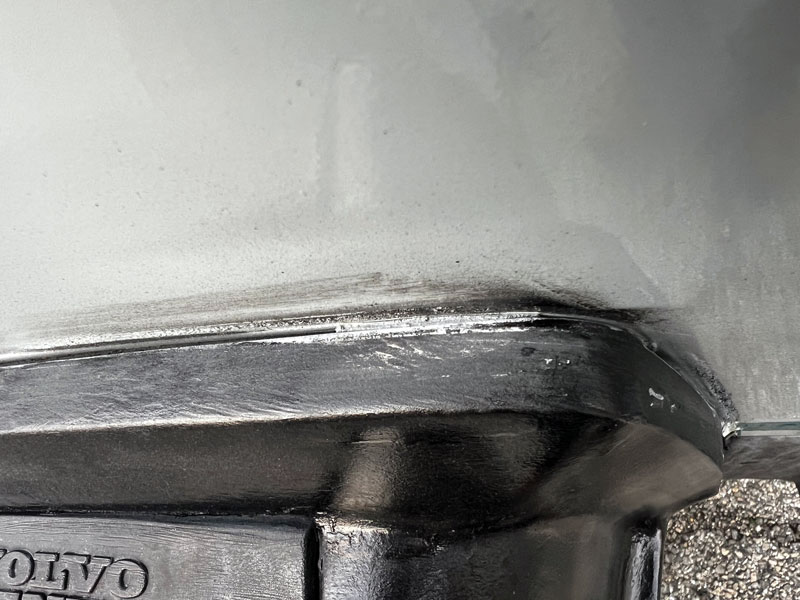
Marine sealants primarily use polyurethanes, polysulfides, silicone, and hybrid (SMP/polyether) chemistries, each suited for different jobs. Polyurethanes offer powerful bonds (3M 5200) but can be tough to remove when something is serviced and may cause damage to substrate material adding additional repairs. A good use for this type would be for hull to keel joints and struts. It’s not a good choice for deck hardware, thru hull fittings, and plastic fittings as it can damage them due to the chemistry of the product. Most of these at some point will need to be replaced or removed for service.
Polysulfides are flexible, saltwater-resistant, and generally good for bedding hardware above and below the waterline—anything that is thru fastened and relies on that clamping force to stay in place. You just need a good sealant to act as a gasket. Silicones can be a great gasket type of sealant but are not good at bonding to surfaces, causing separation of the product and leaking. One other issue with silicones is that you cannot paint them, and they can contaminate surfaces causing “fish eyeing” when repainting or gel coating. Hybrid sealants offer good UV/water resistance and easier removal when something needs to be serviced, which makes them versatile.
Again, most of the products won’t last forever and need to be visually inspected from time to time, requiring rebedding to prevent water intrusion.

When installing hardware, we also need to reinforce the mounting holes when going through cored materials. The best method is to oversize the mounting holes and refill with a thickened epoxy and then drill for the proper size fastener, thus isolating the core material from moisture if bedding fails. This also provides a crush bushing, so when bolts are tightened or stressed in normal operations, it won’t crush the cored surface and allow water to enter and damage the deck or hull materials.
Backing blocks should be used for high loaded fittings to spread loads out over a larger area. They should be made of plastic materials with high density modules and should also be a larger shape than the fitting with all rounded corners to prevent hard spots on corners that can lead to surface cracking.
We often forget about the importance of proper bedding and maintenance of hull and deck fittings. Maintaining these items properly will give you better service life and enjoyment from your vessel.
By Erik Lostrom
About the Author: Erik Lostrom is a naval architect, third generation professional boat builder, and a graduate of The Landing School. He has worked in the marine industry for over 40 years and currently serves as the marine technology coordinator at Chesapeake College.