Boating in winter can be peaceful and rewarding, offering quiet waterways, crisp air, and beautiful seasonal views. However, cold-weather conditions also introduce unique safety challenges. Proper preparation—especially regarding clothing and dock safety—is essential before heading out.
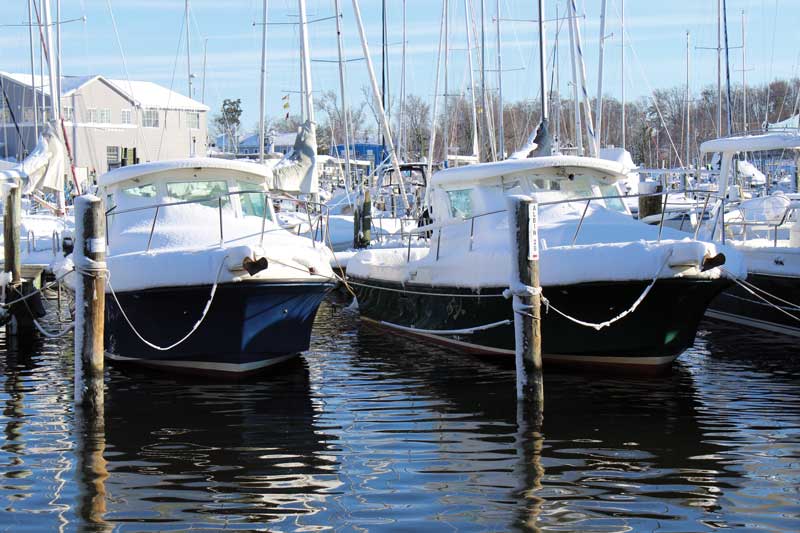
One of the most important factors in winter boating safety is to wear the proper clothing. Cold air and frigid water significantly increase the risk of hypothermia, especially if one unexpectedly gets wet. Dress in moisture-wicking base layers topped with insulating mid-layers such as fleece or wool. Waterproof and windproof outer layers help block icy spray and harsh wind chill. It’s also wise to wear a thermal hat, gloves with good grip, and insulated socks. Footwear should be waterproof and have slip-resistant soles to prevent falls on wet or icy deck surfaces. Always wear a properly fitted lifejacket over your outermost layer; some modern inflatable lifejackets are designed to function reliably in cold temperatures and allow freer movement.
Safety on snowy or frosty docks requires extra attention. During winter docks often become slick surfaces where one misstep can lead to serious injury—or an accidental fall into dangerously cold water. Walk slowly and test each step with your full foot rather than the edge of your shoe. Keep one hand on railings or boat lines whenever possible. Clearing snow from docks before loading gear helps reduce the risk of slipping. If frost is present, assume it is more slippery than it looks; black ice can form on wooden and composite docks alike. Wearing ice-grip traction cleats that fit over your boots can greatly improve stability and is a common go-to precaution used by many liveaboards.
When it comes to keeping your boat warm, whether you are underway, docked, or on the hard, you cannot be too careful with heaters, which are wonderful, but can pose a risk of fire and/or carbon monoxide poisoning. Look for a specially designed boat heater that is low profile and has a wide base to reduce the risk of it tipping over. If you’re using any type of heater aboard, make sure you read, understand, and follow all manufacturer recommendations and cautions for use.
By dressing appropriately, moving carefully, and staying aware of winter hazards, boaters can continue to enjoy the beauty of the season while keeping themselves and their passengers safe. You can find more helpful advice by visiting boatus.org and searching ‘cold weather.’